 +65 6873 0809
 info@chirotherapy.com.sg
Blog
Chiropractic Treatment of Lower Back Pain Singapore
Mar
Persistent pain after weeks of sitting, lifting, or sports strain often signals a mechanical problem rather than a passing flare. If you are considering chiropractic treatment and tractions, this blog will walk you through when chiropractic treatment of lower back pain becomes a sensible non-surgical next step in Singapore.
Why Some Lower Back Pain Does Not Resolve on Its Own
Some episodes improve with rest, lighter activity, and time. Others keep returning because the underlying issue was never fully corrected. Repeated postural stress, lumbar joint dysfunction, and incomplete recovery after a strain are common reasons pain lingers beyond the first few days. On Chirotherapy’s service page, lower back pain is described as commonly linked to poor posture, muscle strain, or injury, with treatment aimed at reducing pain and improving mobility.
Mechanical low back pain is the most relevant pattern here. It is pain influenced by movement, posture, or loading rather than a systemic disease process. People usually feel it when bending, sitting too long, standing up after rest, or lifting with poor mechanics. That pattern matters because it points toward a musculoskeletal problem that often responds to structured conservative care.
Chronic Lumbar Stiffness After Everyday Activities
Chronic lumbar stiffness is often the first sign that something is not recovering properly. A person may feel tight when twisting to get out of bed, bending to tie shoes, or reaching into the boot of a car. The back may warm up after a few minutes of movement, then tighten again later in the day.
Morning stiffness after sleep can be especially telling. When the lower back feels locked after rest but loosens once movement starts, it often reflects joint restriction and protective muscle guarding. That is different from the temporary soreness most people feel after an unusually hard workout.
Limited movement also changes how the body distributes load. If the lumbar spine is not moving well, nearby areas start compensating. The hips may become overworked. The thoracic spine may rotate more than it should. Muscles that should stabilise the spine instead stay tight all day to protect it. Over time, that keeps pain going.
Lumbar Joint Restriction and Spinal Movement Imbalance
The lumbar spine is designed to share small amounts of motion across several segments. When one segment becomes restricted, the surrounding segments and muscles take on extra work. That is how lumbar joint restriction turns into a movement imbalance.
This is why many people describe a strange combination of stiffness and instability. The stiffness comes from muscle tension trying to protect the area. The instability comes from poor control around segments that are now moving under more stress than they should. Chirotherapy’s treatment modalities specifically describe techniques such as diversified adjustments, traction therapy, soft tissue therapy, and flexion-distraction as ways to address joint restriction, chronic low back pain, and pressure on discs and nerves.
For patients whose pain also comes with marked muscle tightness or strain-related tenderness, injury recovery and soft tissue therapy can fit naturally into care because muscles, ligaments, tendons, and spinal joints usually affect each other rather than acting as separate problems. 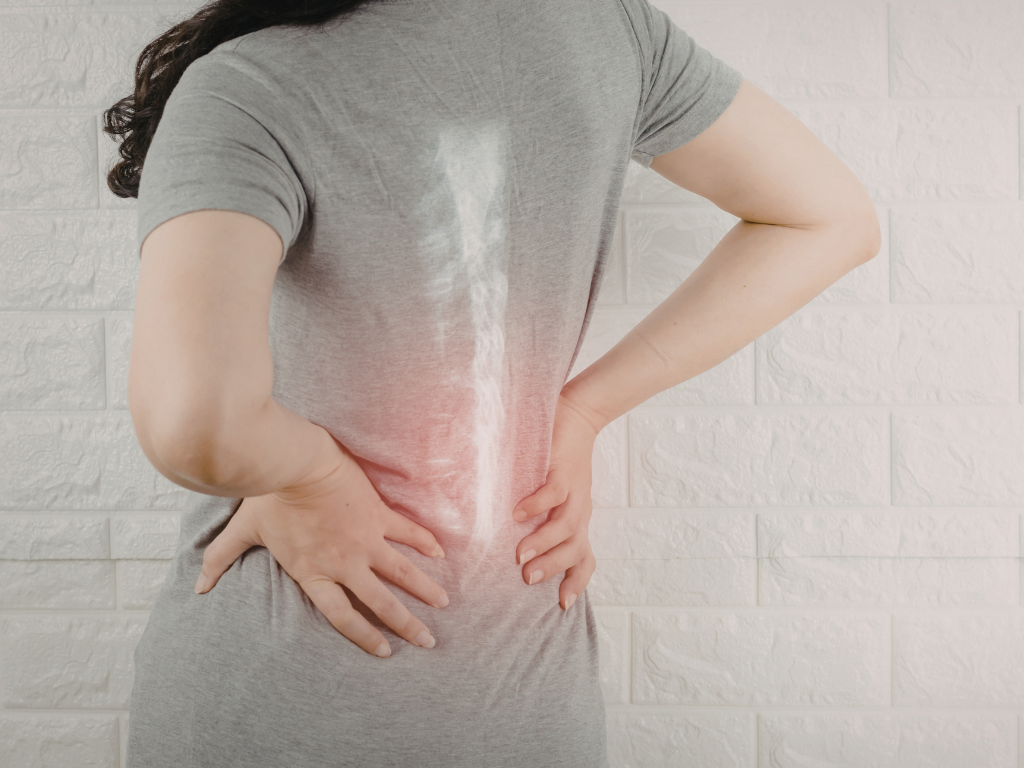
When Chiropractic Treatment of Lower Back Pain Becomes the Right Option
Chiropractic treatment of lower back pain becomes the right option when basic conservative measures have not been enough. That usually means the pain is still present after several weeks, stiffness keeps returning, mobility feels limited after a strain, or symptoms settle briefly but come back with work, exercise, or long sitting.
This does not mean every back pain case belongs in a chiropractic clinic. Red flags such as major trauma, fever, unexplained weight loss, progressive weakness, bowel or bladder changes, or saddle numbness need urgent medical evaluation. For the large group of people whose pain is mechanical and musculoskeletal, though, a non-surgical pathway often makes practical sense. NCBI’s clinical review of cauda equina syndrome highlights bowel dysfunction, saddle sensory changes, and weakness or sensory loss in the legs among the urgent features that require immediate assessment.
Persistent Mechanical Low Back Pain
Persistent mechanical low back pain is pain that predictably appears with posture, movement, or load. It often feels worse after desk work, lifting, prolonged standing, repeated bending, or gym sessions involving squats, hinges, or rotational force.
This type of pain usually does not behave randomly. It follows a pattern. The back feels better on lighter days and flares when the same mechanical stress returns. That pattern strongly suggests the issue is functional rather than purely incidental. NICE recommendations for low back pain and sciatica support manual therapy, including spinal manipulation or mobilisation, when it is used as part of a broader treatment package that includes exercise.
Posture-Related Back Pain From Sitting or Desk Work
Posture-related back pain is common in office-based working environments because sitting itself is not the only problem. The bigger issue is sustained sitting with poor variation, reduced hip contribution, and long periods of lumbar loading.
Desk posture tends to create a familiar chain. Hip flexors stay shortened. Glutes contribute less. The lower back absorbs more compressive force. The result is pain when standing up, commuting home, or trying to exercise after work. This is one reason why patients who start with neck or upper back tension often end up with lumbar symptoms too. Chirotherapy’s article on neck pain from desks and chiropractic relief for busy professionals reflects that wider pattern of desk-related spinal stress.

What Happens During Chiropractic Treatment of Lower Back Pain
A proper chiropractic evaluation begins with a detailed history. The clinician needs to know what started the pain, how long it has lasted, what movements trigger it, what eases it, and whether the symptoms fit a mechanical lumbar problem or something that should be referred elsewhere.
After that comes spinal mobility assessment. This may include forward bending, extension, side bending, rotation, pelvic control, and palpation of lumbar joints and surrounding tissues. The aim is to identify lumbar joint dysfunction, movement asymmetry, tissue irritability, and the positions that reproduce symptoms. Chirotherapy states that its chiropractic adjustment services are non-invasive and tailored to the patient’s condition and health goals, with lower back pain listed among the key complaints treated.
Treatment itself may involve manual adjustment, traction therapy, flexion-distraction, soft tissue work, and guided exercise. Traction therapy on Chirotherapy’s service page is described as a gentle spinal stretching approach used to relieve pressure on discs and nerves, especially in herniated disc, sciatica, and chronic low back pain cases. Soft tissue therapy is described as targeting the muscles, ligaments, and tendons around the spine to reduce tension and improve flexibility.
For readers comparing approaches, the earlier article on chiropractic treatments for lower back pain relief in adults also outlines decompression, trigger point work, and rehabilitation-based support for adult lower back pain.
Recovery Timeline for Non-Surgical Lower Back Pain Care
Recovery from persistent lower back pain usually happens in phases. Pain relief often comes first. Full resilience takes longer. That distinction matters because people often stop care the moment symptoms ease, even though their movement pattern has not really changed.
Initial Pain Relief Phase
The first phase focuses on reducing muscle tension, lowering tissue irritability, and improving baseline spinal mobility. This is where patients often notice the first practical wins. Standing from a chair hurts less. Rolling in bed becomes easier. Walking feels smoother.
The goal is not only symptom relief. It is to calm the tissues enough that the spine can begin moving more normally again. Chirotherapy’s service information notes that some patients feel relief after a few visits, while others need a longer course depending on severity and individual response.
Mobility Restoration Phase
Once pain settles, the next priority is restoring movement where restriction remains. This phase targets lumbar joint restriction, flexibility deficits, and guarded mechanics that were hidden by pain in the earlier stage.
This is the phase that often determines whether results last. Pain can drop before function is fully back. If the patient returns too quickly to heavy lifting, golf, high-volume training, or long desk hours without restoring mobility, the same pattern often comes back. That is why movement correction matters as much as pain reduction.
Long-Term Movement Stability
Long-term stability is about load tolerance. The lower back should not be doing every job on its own. The hips, trunk, and surrounding musculature all need to share the work. Exercise, posture correction, and gradual return to activity matter here.
This is also where prevention starts. NICE guidance supports combining manual therapy with exercise for low back pain because long-term change depends on more than hands-on treatment alone. Patients returning to sport may also benefit from principles discussed in sports injury prevention tips from expert chiropractors, especially when repeated rotation, load, or impact contributed to the problem in the first place.
Signs It May Be Time to See a Lower Back Pain Chiropractor in Singapore
A lower back pain chiropractor in Singapore becomes a sensible next step when the problem is clearly no longer self-limiting.
Common signs include:
- pain lasting more than several weeks
- recurring stiffness after activity or long sitting
- reduced spinal mobility when bending or twisting
- pain that improves for a while, then returns
- repeated flare-ups after lifting, sports, or desk work
- lower back discomfort that changes the way you walk, sit, or train
The WHO low back pain fact sheet describes recurrent episodes as common and classifies chronic low back pain as symptoms lasting more than 3 months, which is why longer-lasting pain often needs a more structured recovery plan than a short-lived flare.
Why Early Treatment Can Prevent Long-Term Lower Back Problems
Delayed treatment gives the body time to build compensation into daily movement. A restricted lumbar segment changes how a person sits, lifts, bends, and rotates. Protective muscle tension becomes normal. Posture-related back pain becomes easier to trigger. The recovery timeline gets longer because the body is now managing both pain and a faulty movement habit.
Early care helps because it addresses the problem while the pattern is still changeable. Restoring spinal movement sooner may reduce chronic lumbar stiffness, improve posture mechanics, and lower the risk that a reversible issue becomes a recurring pain cycle. That is especially relevant for people whose pain began as a strain but never fully settled.
Conclusion
Persistent lower back pain usually means the spine is still moving poorly, loading poorly, or recovering incompletely. When pain keeps returning after sitting, lifting, or exercise, chiropractic treatment of lower back pain can be a practical non-surgical next step.
Book an assessment with Chirotherapy to identify the mechanical source of your lower back pain and start a care plan built around lasting movement improvement.
FAQs About Chiropractic Treatment Of Lower Back Pain
When should I see a chiropractor for lower back pain?
If pain lasts more than a few weeks, keeps returning after sitting or activity, or limits how your lumbar spine moves, it is worth getting assessed. Chirotherapy evaluates posture, joint motion, and mechanical low back pain patterns.
Can chiropractic treatment help chronic lower back pain?
It can help when the pain is musculoskeletal and mechanical. NICE supports manual therapy as part of a treatment package that includes exercise for low back pain and sciatica.
What causes mechanical low back pain?
Common causes include posture-related loading, lifting strain, lumbar joint restriction, and soft tissue tension. The pain is usually triggered by movement, posture, or repeated daily stress rather than a systemic disease.
How long does it take for chiropractic care to improve lower back pain?
Response time varies by severity, pain duration, and how well the patient follows movement and exercise advice. Chirotherapy notes that some patients feel relief after a few visits, while others need a longer plan.
Can posture cause persistent lower back pain?
Yes. Prolonged desk posture can increase lumbar compression, reduce hip contribution, and create muscle imbalance that keeps irritating the lower back.
